SuperChat!
SuperChat was my practice project for understanding how a multi-user interface changes when messages move through persistent connections instead of normal request-response screens.
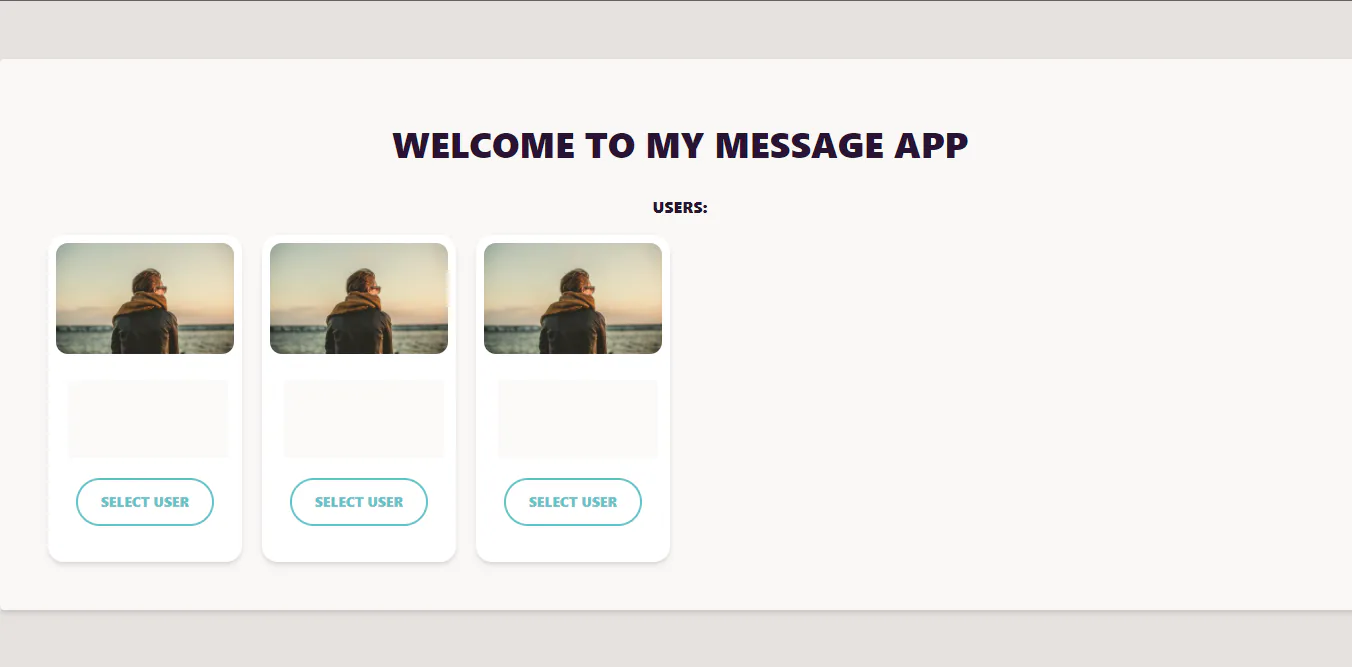
Image 1 of 3: SuperChat user-selection screen with names and account labels covered
01
Problem
Real-time behavior was the part I wanted to learn hands-on, from user selection and conversation state to immediate message updates.
02
Constraints
- I needed messages to update without a manual refresh
- I had to keep connection and user state understandable in the interface
- I kept names, messages, and account-like test data out of this public case study
- I accounted for the hosted service sleeping or becoming unavailable
03
Technical decisions
- I used React for the user and conversation views
- I placed Node.js and Express on the server side
- I used MongoDB within the MERN structure
- I chose WebSockets for the real-time transport
04
Evidence
- I still have the public React client and Node server; live messaging remains unverified
- I retained only a privacy-safe description of the historical interface and left the original test identities and messages out of the public release
- I could not re-verify live messaging because the hosted demo currently returns a service-unavailable response
05
What I learned
SuperChat helped me see that a real-time interface needs visible connection, identity, and delivery states—not just a message box attached to a socket.